Electrical systems
K-Power electrical systems bring equipment, distribution and control together in an integrated system, configured around your vessel and how it operates.
Choosing the right electrical architecture
Different operating requirements call for different approaches to power generation and distribution.
| System | Description |
| AC | A widely adopted architecture compatible with diverse vessel loads. |
| DC | Supports variable-speed operation, energy storage and DC power integration. |
| HV AC | High-voltage distribution for higher-power vessel applications. |
Architecture selection considers the complete vessel power system rather than individual technologies in isolation.
K-Power electrical systems
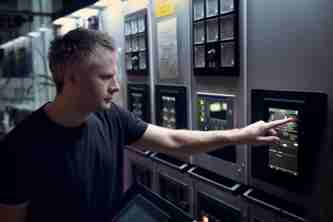
K-Power electrical systems integrate equipment, distribution and control within configurable marine electrical architectures, shaped by the vessel and its operational requirements
K-Power electrical systems
See more

Designed as an integrated system
Generation, distribution, drives, electrical machines, energy storage and control are engineered to work together. System-level engineering brings these elements together around how the vessel will operate.
Designed to evolve
As your vessel’s needs change, a system-level approach supports upgrades to energy storage, shaft generation, shore power and control.
Frequently asked questions
A marine electrical system generates, distributes, converts and controls electrical power for propulsion and onboard consumers. Its configuration depends on the vessel's power and operational requirements.
Factors include load profile, power demand, operating modes, redundancy, onboard consumers, dynamic behaviour and lifecycle requirements.
AC and DC architectures distribute and manage electrical power differently. The appropriate approach depends on the vessel's loads, operating profile, energy sources and wider system requirements.
High-voltage AC can be considered for higher-power applications where the vessel's electrical loads and distribution requirements support a higher-voltage architecture.
Yes. Battery energy storage can form part of the wider vessel electrical architecture where appropriate to the vessel's power and operational requirements.
Depending on the existing architecture, capabilities such as energy storage, shore connection and enhanced control can be incorporated as requirements change.