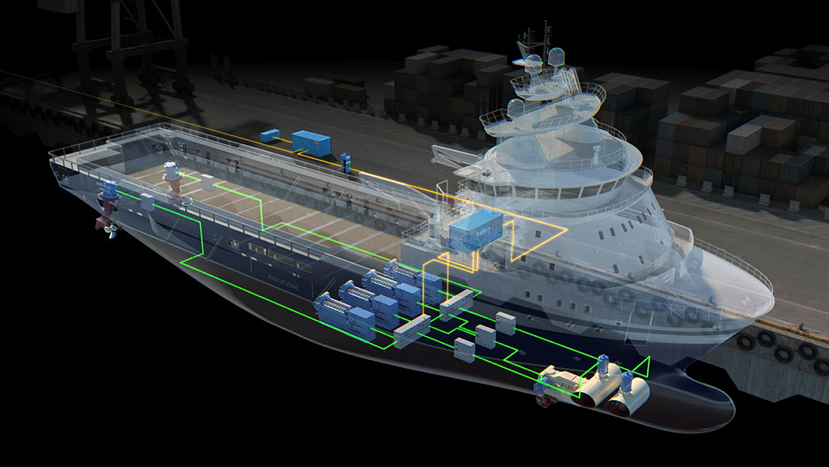
Control and intelligence
Vessel power demand changes with operating mode, available generation, energy storage and onboard consumers. Power and energy control systems coordinate these elements so the electrical system can respond to changing operational requirements.
Understanding control layers
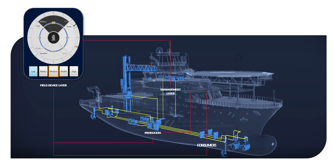
The appropriate control capabilities depend on the electrical architecture, vessel operating profile and level of power and energy coordination required.
| Capability | Primary role |
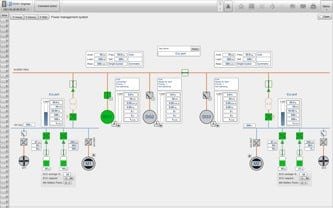
| PMS | Power management and load control |
| CMS | Coordination of power and energy |
| iEMS | Analytics and decision support |
K-Power Control
Coordinate power, energy and emissions management across vessel operations.
Need help defining the right control approach?
The right combination depends on the vessel's electrical architecture, loads, operating modes and energy requirements.
Frequently asked questions
Power management coordinates electrical power producers and consumers to support operation of the vessel's electrical system.
PMS provides core power-management and load-control capabilities. ECS provides a wider energy-control layer coordinating producers, consumers and energy storage according to operational requirements.
Intelligent energy management adds analytics and decision support to provide greater visibility into energy use and operational performance.
No. Requirements depend on the vessel's electrical architecture, power plant, operating profile, onboard consumers and energy sources.
Yes. Where energy storage forms part of the electrical architecture, power and energy control can coordinate it with other producers and consumers.
Depending on the existing system architecture, control capabilities can be upgraded as vessel equipment and operational requirements change.