An electric avenue to greener ships
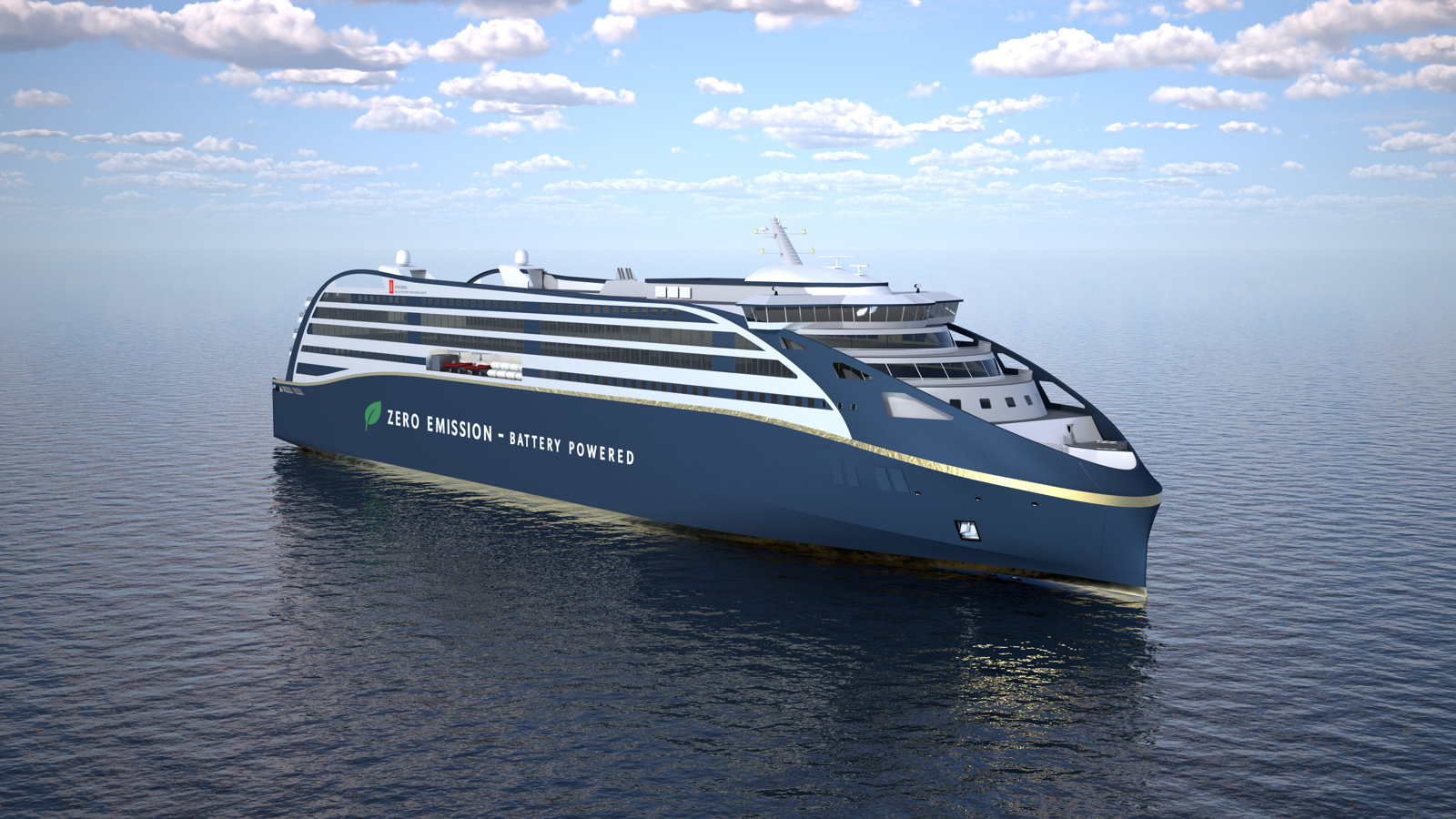
Improved technology and new regulations are the driving force behind a move towards fully electric vessels, with Kongsberg Maritime at the heart of the action.
-
Craig TaylorSenior Manager PR & Communications

“We’re at a tipping point,” says Oskar. “What seemed futuristic five years ago is now commercially viable.”
The European Union has made its intentions clear: shipping must decarbonise. Two key regulations – EU ETS (Emissions Trading System) and FuelEU Maritime – are changing the game. ETS now applies to vessels over 5,000 GT operating in EU waters, requiring shipowners to buy allowances for every tonne of CO₂ emitted. He adds: “FuelEU focuses on greenhouse gas intensity in marine fuels, pushing operators towards renewable energy sources. Compliance isn’t just about efficiency; it’s about clean energy.”
“These regulations don’t just penalise emissions, they reward the use of clean energy,” Oskar explains. “A battery-electric vessel can actually generate compliance revenue, not just savings.”
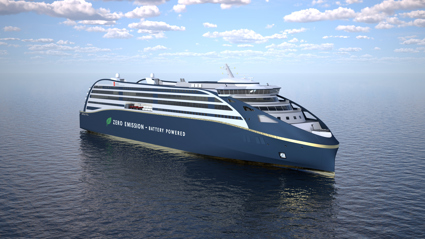
Efficient battery technology means that electric vessels are now a possibility