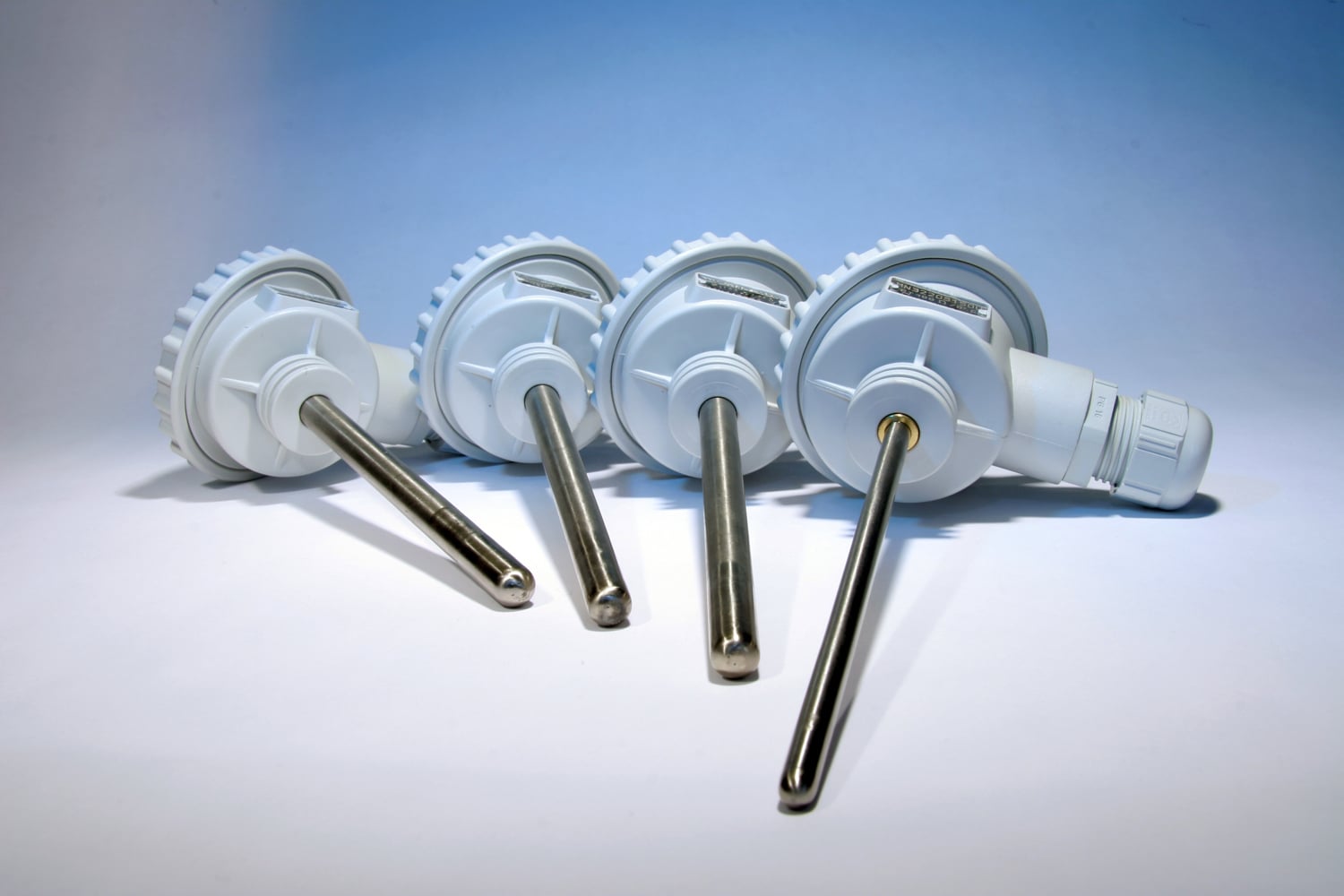
Sensors, transmitters and instrumentation
Monitor temperature, pressure and other critical conditions with sensors, transmitters and instrumentation developed for marine applications. Our portfolio supports reliable measurement, signal handling and detection across marine machinery and systems, helping you find equipment suited to your operational and installation requirements.
- Developed for marine applications
- Reliable measurement and monitoring
- Specialist support when you need it
Marine temperature sensors
Measure and monitor temperature across marine machinery and systems. Explore resistance temperature sensors, thermocouple temperature sensors and protection wells for different measurement and installation requirements.
Marine pressure and detection systems
Discuss your measurement requirements
Finding the right sensor or instrument depends on the application, operating conditions and the equipment it will connect to. Talk to our specialists about your measurement and monitoring requirements.
Frequently asked questions
The category includes resistance temperature sensors, thermocouple temperature sensors, temperature sensor protection wells, marine pressure transmitters, signal conversion and protection equipment, and water ingress detection systems.
Resistance temperature sensors and thermocouples use different measurement principles. The right choice depends on factors such as the required temperature range, response, installation and connection to the wider measurement system.
A protection well separates the temperature sensor from the process or surrounding medium. The need for a protection well depends on the operating conditions, installation and maintenance requirements.
A pressure sensor detects pressure. A pressure transmitter converts the measured pressure into a signal that can be used by monitoring or control equipment.
A transmitter barrier provides separation and protection between a transmitter and connected monitoring or control equipment.
Begin with the condition or parameter that needs to be measured. Then consider the required measurement range, operating environment, installation, signal type and compatibility with existing equipment.