Machinery monitoring
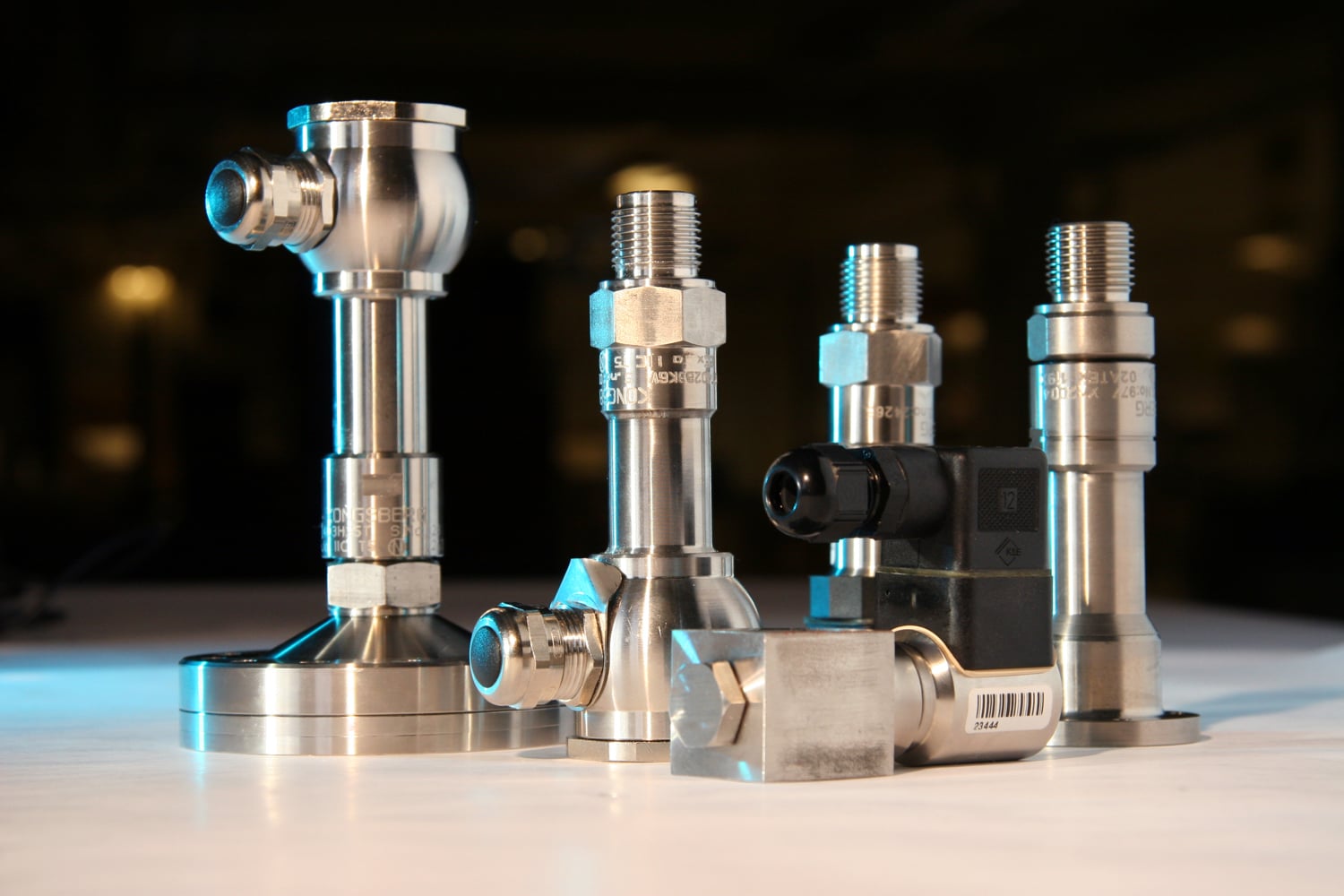
Monitor critical machinery parameters with systems and sensors developed for marine applications. The portfolio supports condition monitoring across bearings, engines, propulsion shafts and fluids, helping operators identify changes in machinery condition and make informed maintenance and operational decisions.
Bearing monitoring
Monitor bearing wear and temperature to gain insight into bearing condition. Explore monitoring systems and sensors for continuous wear measurement and main bearing temperature monitoring.
Engine condition monitoring
Monitor temperatures and operating conditions in critical engine components. Explore solutions for crosshead and crank temperature monitoring, cylinder liner monitoring and broader engine monitoring requirements.
Shaft power monitoring
Measure shaft power and related parameters to gain insight into propulsion performance and operating conditions
MetaPower Quad
See more
Fluid condition monitoring
Monitor fluid condition to detect changes that may affect machinery operation. Explore sensors for identifying water contamination in oil.
MMT330 - Water in oil sensor
See more
Frequently asked questions
Machinery monitoring uses sensors and monitoring systems to measure selected operating parameters and conditions. This can provide insight into changes in bearings, engines, propulsion shafts and fluids.
The portfolio covers bearing wear, bearing temperature, crosshead and crank temperature, cylinder liner condition, engine parameters, shaft power and water content in oil.
Bearing monitoring focuses on bearing wear and temperature. Engine condition monitoring covers parameters associated with engine components such as crossheads, cranks and cylinder liners, as well as broader engine monitoring requirements.
Shaft power monitoring measures parameters associated with power transmitted through the propulsion shaft. Depending on the system, these can include torque, speed, power and energy.
Water in oil can indicate contamination or unwanted water ingress. Monitoring water content helps operators identify changes in fluid condition and assess whether further investigation is needed.
This depends on the machinery, available installation points, interfaces and monitoring requirements. The existing configuration should be assessed before selecting a monitoring solution.
Begin with the component or condition that needs to be monitored. Then consider the required parameters, machinery configuration, operating environment, installation and system interfaces.