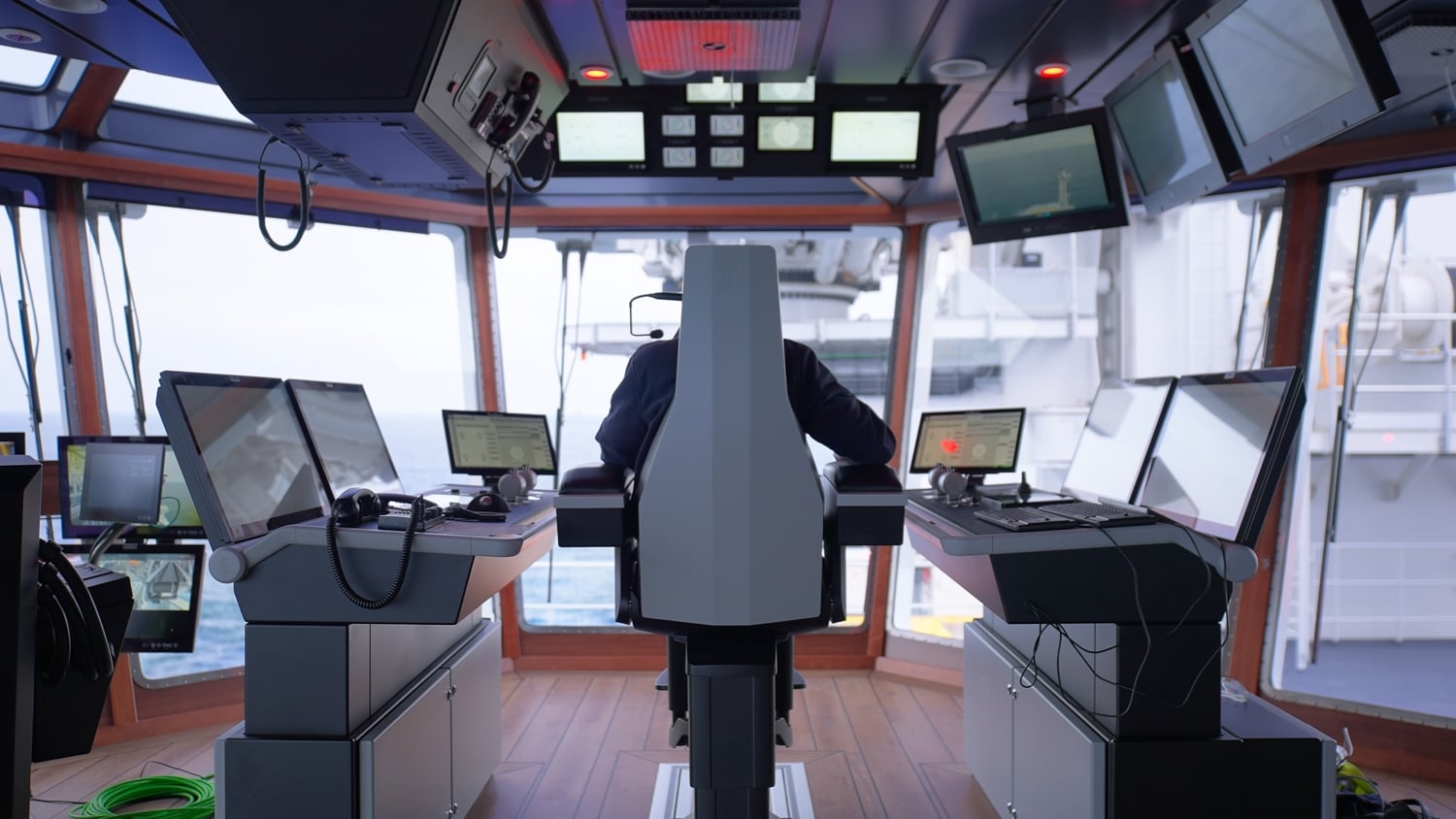
Dynamic positioning systems
Positioning and control matched to the operation
Explore dynamic positioning and control options
The right level of positioning and vessel control depends on the operation, vessel requirements and level of capability needed. The options below support different operational needs.
Joystick control
Direct, intuitive control of vessel movement and heading, with additional positioning functions available depending on configuration
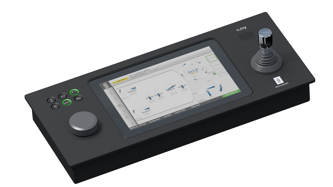
cJoy JS - Joystick control system
Explore
K-Pos Dynamic Positioning
Automatic control of vessel position and heading, configurable for different operational, DP class and redundancy requirements.
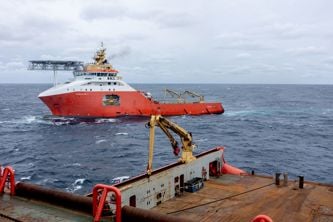
Dynamic Positioning Systems
Explore
Position Mooring
Position mooring for operations combining vessel position control with monitoring and management of the mooring arrangement.
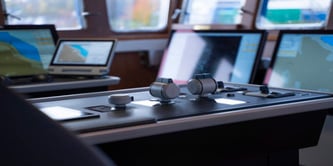
K-Pos PM / DPM - Position Mooring System
Explore
Operational Support
Clear DP status information to support shared operational awareness and informed decision-making.
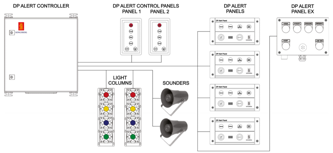
DP Status System
Explore
Dynamic positioning built around the operation
Bring positioning, vessel control and supporting systems together around the needs of the operation.
-
Vessel, operation, DP capability, class and redundancy shape the solution.
Defined by the requirement -
Position-reference, propulsion and power systems work together to support DP operations.
Connected vessel capabilities -
DP capability can evolve with newbuilds, upgrades and changing operational needs.
Support through the lifecycle

Understand the wider DP operating environment
See how positioning, vessel control, propulsion and thrusters work together to support effective DP operations.
Discuss your dynamic positioning requirements
Support for newbuilds, upgrades and changing operational needs
Whether you are planning a newbuild, upgrading an existing vessel or reviewing its positioning capability, our specialists can help you understand the available options and define an appropriate solution for your requirements.
Frequently asked questions
A dynamic positioning system automatically controls a vessel's position and heading using information from vessel sensors and position-reference systems together with the vessel's propulsion and thruster systems.
The appropriate system depends on factors including the vessel, intended operation, required positioning capability, applicable DP class and redundancy requirements. These requirements help determine the appropriate system and configuration.
DP1, DP2 and DP3 reflect different requirements for system design, redundancy and, at DP3, physical separation. The appropriate class depends on the vessel, operation and applicable requirements.
Redundancy requirements depend on the intended operation, applicable rules and class requirements, and the consequences associated with loss of position. They should be considered as part of defining the vessel's overall DP requirement.
Depending on the vessel and its existing systems, DP capability may be upgraded as part of a retrofit. Existing control, propulsion, power, sensor and DP architecture need to be considered when defining the scope.
Joystick control provides direct operator control of vessel movement and heading. Dynamic positioning automatically controls position and heading, while position mooring combines vessel positioning with the requirements of a moored operation. The appropriate approach depends on how the vessel needs to operate.