A career shaped by curiosity, integration and change
Over nearly two decades, Vegard Spiten Engh’s journey has evolved alongside the company itself, from hands‑on engineering to leading complex, integrated innovation through people and technology.
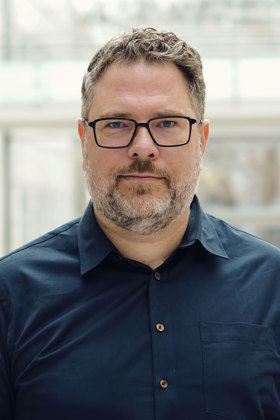
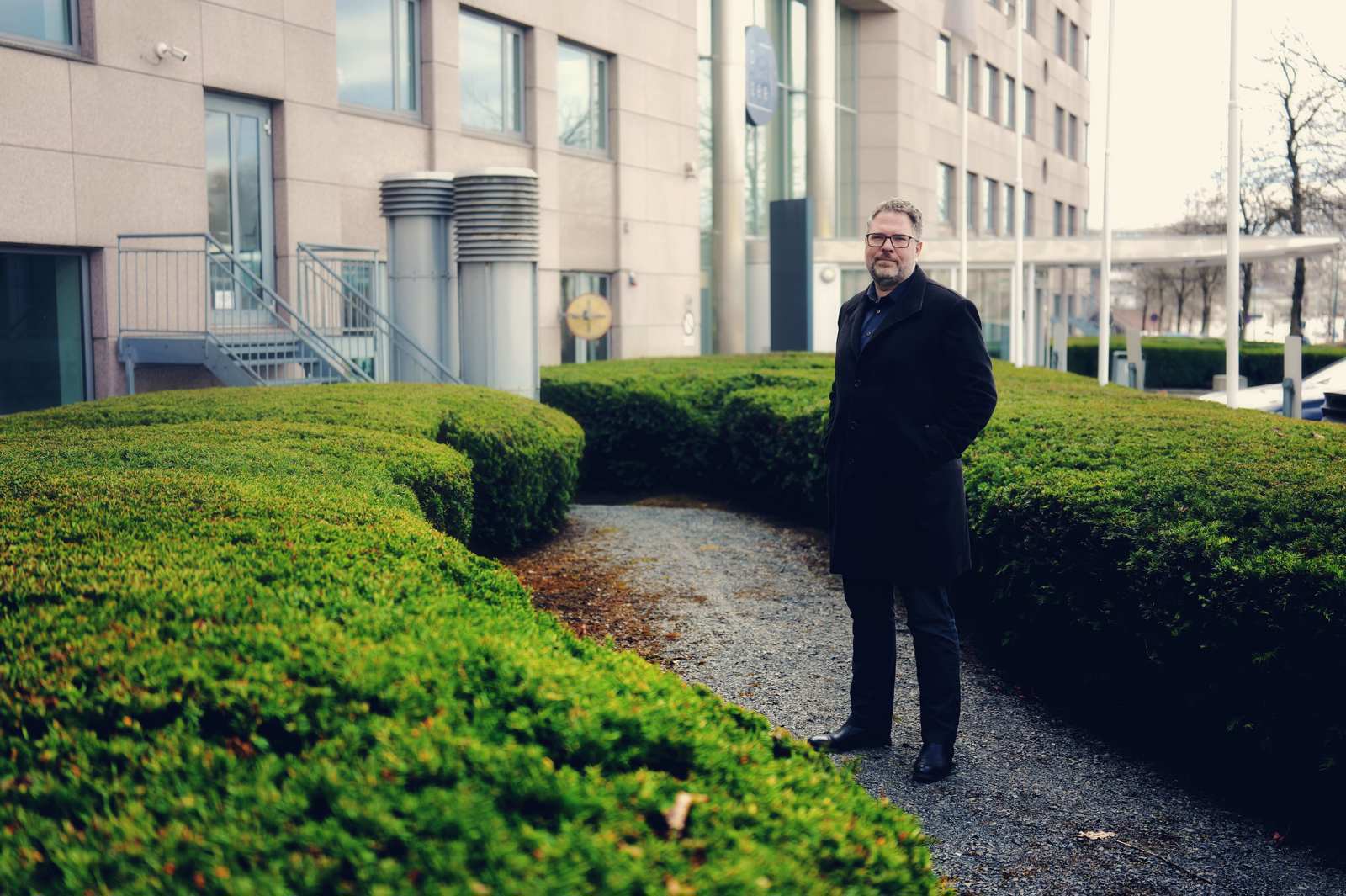
“If I look at the big picture, my journey has followed much of the same path as the company’s,” he says. “We’ve moved from clearly defined systems to increasingly integrated solutions, and my role has evolved in the same direction.”
The interest was reinforced when Vegard enrolled in an Executive MBA at the University of South Eastern Norway. One module on knowledge management proved particularly influential.
“I expected practical tools, templates for lessons learned, that kind of thing,” he says. “Instead, I was introduced to a way of leading by asking more questions rather than providing the answers, listening rather than telling”
Knowledge management, as Vegard sees it, starts with a simple premise: in a knowledge company, people are the most important resource. Results are created not through control, but by enabling individuals to use and share what they know.
Much of that knowledge is tacit, difficult to document, but visible in action. How someone handles a difficult customer conversation. How a team navigates uncertainty. How decisions are made when information is incomplete.
“You can’t capture that in a document,” he explains. “You have to create arenas where people can experience, observe and reflect together.”
In practice, this has led to concrete initiatives in Emerging Solutions. Workshops are designed not around presentations, but around dialogue. New employees are encouraged to point out invisible barriers, mental or organisational, that long-time employees may no longer see.
One insight proved particularly valuable. “We realised we talked so much about ‘breaking down barriers’ that we were actually reinforcing them,” Vegard says. “We expected resistance before we even encountered it.” The team changed its language, shifting focus from reducing organisational boundaries to building bridges, a subtle change that had a tangible impact on collaboration.
Another key practice is peer guidance, where colleagues bring real challenges into structured conversations. The rule is simple: participants may ask questions but not offer solutions. “Very often, just being asked the right questions makes people realise what they already know,” Vegard explains. “The solution emerges from the conversation itself.”
Psychological safety is crucial. Without trust, knowledge sharing stops, not because people lack ideas, but because they stop taking the small interpersonal risks that learning depends on.
“People have to feel safe saying ‘I don’t know’ or ‘I’m unsure’,” he says. “Otherwise, learning doesn’t happen.” In practice, that means creating a culture where questions are valued, uncertainty can be discussed openly, and mistakes are treated as information, something to reflect on and learn from, not something to hide.
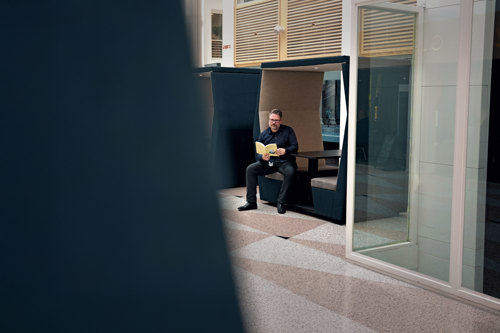
Welcoming change
Vegard describes himself and his team as change agents. “We welcome change,” he says. “Change creates movement. Sometimes things get better, sometimes worse, but without change, nothing develops.”
That mindset connects his personal journey, and his approach to leadership. Looking back, Vegard describes a career shaped by curiosity, trust, and a willingness to learn in complex environments. “For me, development has never been about individual advancement” he reflects. “It’s been about understanding more, about systems, people and how they work best together.”